The Future of Power Delivery: How It Transforms Your Devices
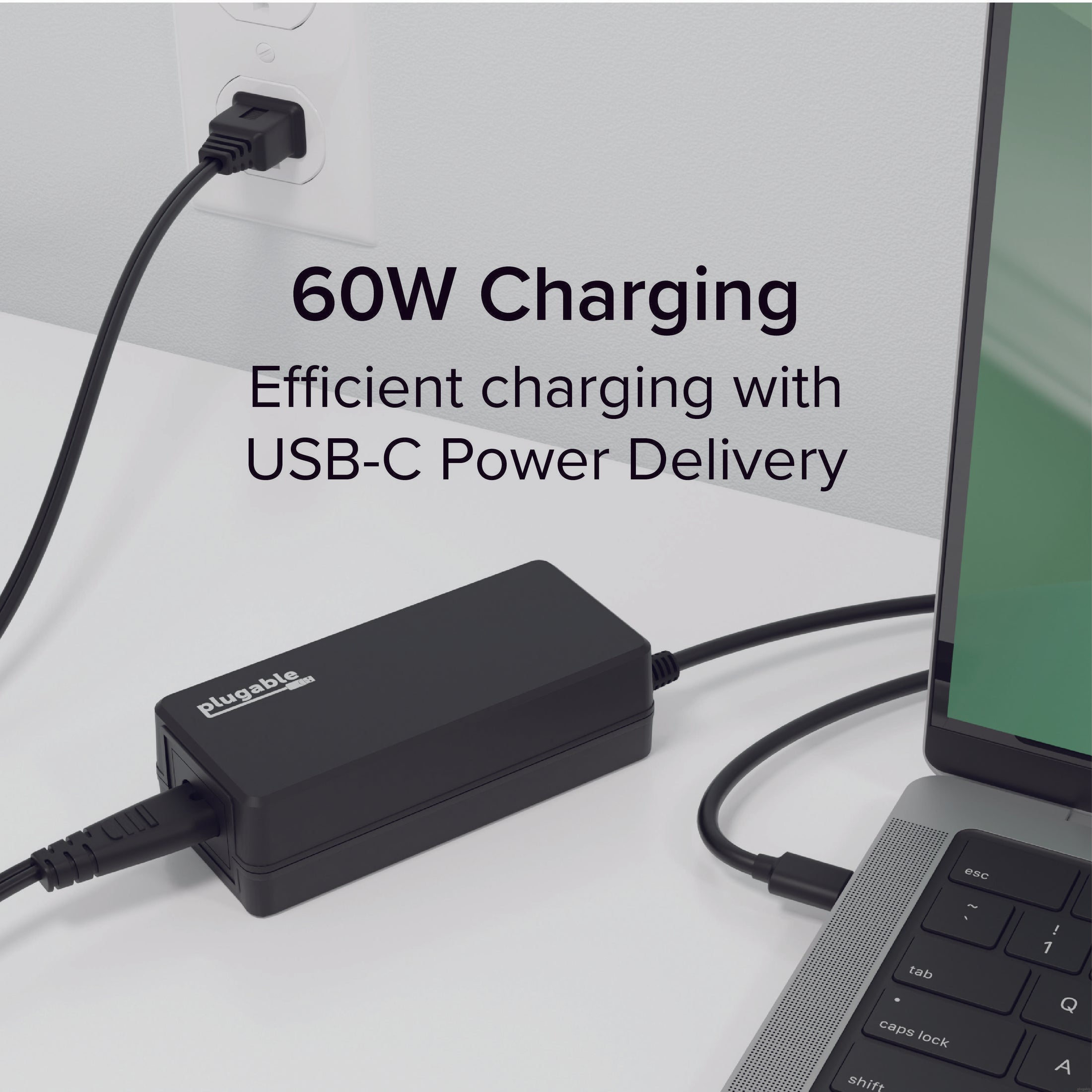
The future of power delivery is shaping the way we interact with our devices, significantly enhancing their performance and efficiency. As technology advances, traditional charging methods are being replaced by sophisticated systems that allow for faster and more reliable energy transfer. This evolution is not just about speed; it also involves smart distribution of power that adapts to the needs of your devices, ensuring that each component receives optimal energy levels. For instance, USB Power Delivery (USB PD) is paving the way for universal charging solutions, making it possible for a single charger to power a variety of gadgets, from smartphones to laptops.
Moreover, as we look towards a world increasingly reliant on wireless technologies, power delivery is set to further revolutionize user experience. Wireless charging is becoming more prevalent, allowing users to power up their devices without the hassle of tangled cords. Innovations like resonant inductive charging enable devices to charge efficiently over longer distances, paving the way for smart homes where charging happens seamlessly in the background. This not only enhances convenience but also opens doors for new applications in IoT devices, wearable technology, and beyond.
Counter-Strike is a popular first-person shooter game that has become a staple in the esports community. Players engage in team-based combat, typically in scenarios involving terrorists versus counter-terrorists. Alongside the intense gameplay, players often seek out the best gear to enhance their gaming experience, such as Top 10 fast chargers for iPhone to keep their devices powered during long gaming sessions.
Understanding Power Delivery: A Deep Dive into Fast Charging Technology
Understanding Power Delivery is essential for anyone looking to unlock the full potential of fast charging technology. Power Delivery (PD) is a universal charging standard developed by the USB Implementers Forum that allows devices to communicate their power requirements efficiently. With Power Delivery, compatible devices can negotiate and deliver up to 100 watts of power, enabling faster charging times and the ability to power larger devices like laptops. This technology not only enhances charging speeds but also improves safety and efficiency by dynamically adjusting the power output according to the specific needs of the device.
At its core, Power Delivery distinctively revolutionizes the way we think about charging interfaces. Traditional chargers often provide fixed voltages and currents, while Power Delivery implements an intelligent negotiation protocol, allowing devices to draw just the right amount of power. To illustrate, let’s consider a few key advantages of Power Delivery:
- Rapid Charging: Charge devices significantly faster than conventional methods.
- Versatility: Use one charger for multiple devices, including smartphones, tablets, and laptops.
- Enhanced Safety: Monitor and adjust power levels in real-time to prevent overheating and damage.
This innovative technology marks a pivotal advancement in fast charging capabilities, making it essential for modern gadget users.
Is Your Device Ready? 5 Questions to Ask About Power Delivery Compatibility
When it comes to ensuring your device is ready for optimal performance, understanding Power Delivery Compatibility is crucial. To help you assess whether your device meets these standards, consider asking yourself the following questions:
- Does my device support USB Power Delivery? Check the specifications of your device to confirm if it supports this fast charging technology.
- What is the maximum wattage my device can handle? Knowing the wattage can help you choose the right charger to avoid compatibility issues.
- Do I have the correct cables? Not all cables support Power Delivery, so ensure yours is designed for high-speed charging.
- Are my peripherals compatible? If you're using additional devices, verify their compatibility with Power Delivery to ensure seamless functionality.
- Have I updated my device software? Keeping your software up to date can enhance compatibility and performance with newer charging technologies.