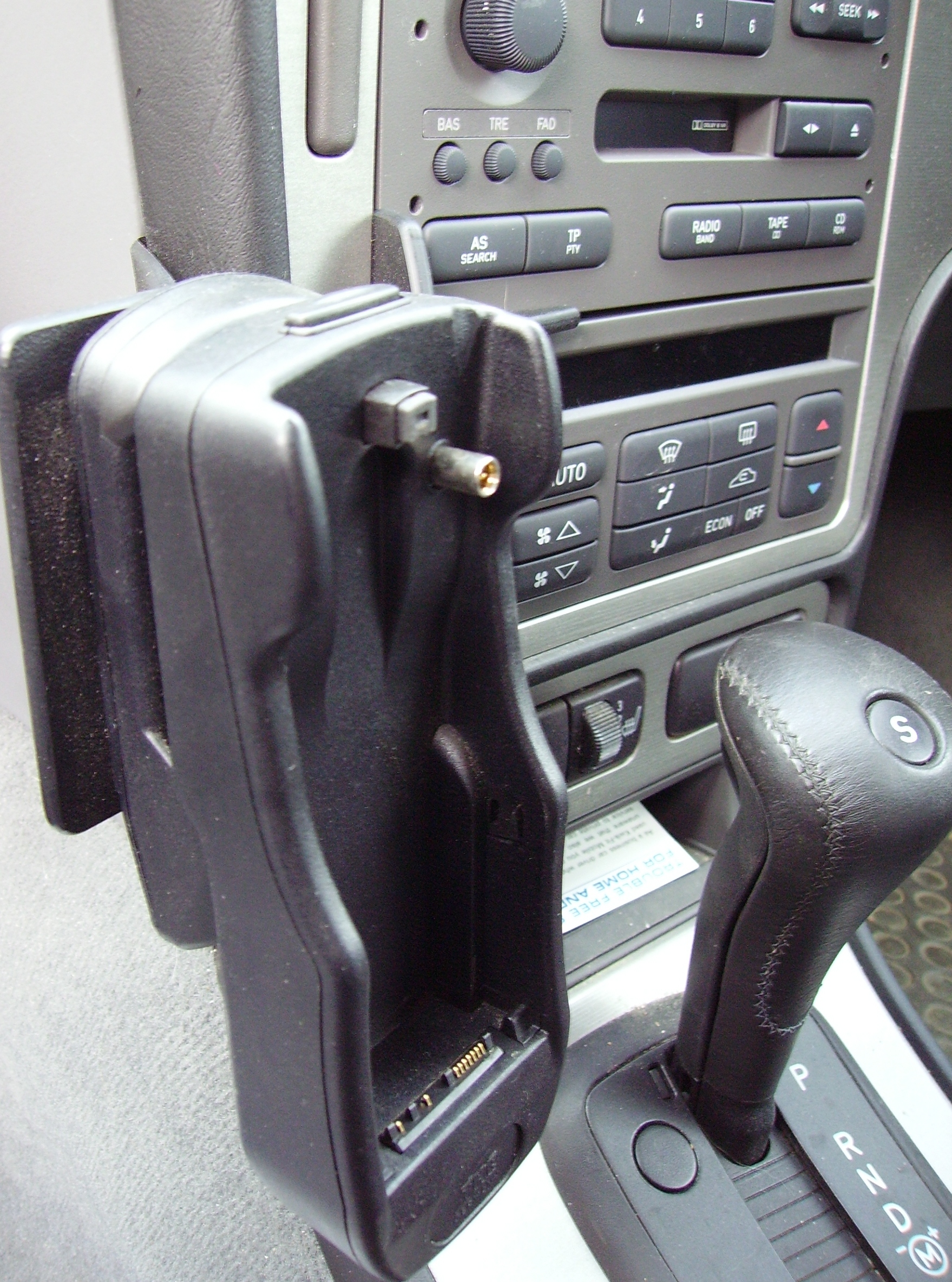
The Future of Freedom: How the Hands-Free Revolution is Changing Our Lives
The concept of freedom has evolved significantly over the last few decades, especially with the advent of technology. The hands-free revolution is at the forefront of this evolution, allowing individuals to perform tasks without physical limitations. From voice-activated assistants like Siri and Alexa to smart home devices that can be controlled remotely, the integration of hands-free technology into our daily lives is creating unprecedented opportunities for autonomy and convenience. As these technologies continue to advance, we can expect to see a shift in how we interact with the world around us, promoting a more liberated lifestyle.
As we look towards the future, the implications of the hands-free movement extend beyond mere convenience; they redefine the very notion of personal freedom. Imagine a future where individuals with disabilities can navigate their environments independently through voice commands and motion sensors. The potential for hands-free technology to enhance quality of life for many cannot be overstated. Furthermore, as workplaces embrace these innovative solutions, productivity is likely to soar, empowering employees to work more flexibly and efficiently while enjoying greater freedom in their roles.
Counter-Strike is a highly popular tactical first-person shooter game that has captivated millions of players worldwide since its initial release. Known for its competitive gameplay, players can take on the role of terrorists or counter-terrorists in various objective-based missions. The game’s strategy and teamwork elements often lead players to seek various materials to enhance their comfort during extended play sessions; for instance, you might find valuable information on Top 10 Phone Accessories for Neck Pain helpful.
Embracing Technology: The Benefits of Going Hands-Free
In today's fast-paced world, embracing technology has become essential for efficiency and convenience. One significant advancement is the rise of hands-free technology, which allows users to perform tasks without the need to physically engage with devices. This innovation enhances multitasking capabilities, enabling individuals to manage their time better while staying connected. For instance, voice-activated assistants like Siri and Google Assistant make it easy to send messages, set reminders, or even control smart home devices without lifting a finger. The freedom to remain productive while keeping your hands free is a game-changer in both personal and professional settings.
Moreover, the adoption of hands-free technology has substantial implications for safety and accessibility. By minimizing distractions, such as checking a phone while driving, hands-free systems contribute to safer commuting experiences. Additionally, these tools are invaluable for individuals with disabilities, offering them greater autonomy and ease in daily tasks. Implementing hands-free solutions not only optimizes workflows but also promotes a more inclusive environment for all users. As we continue to embrace technology, the benefits of going hands-free are undeniable, supporting a healthier balance between our digital lives and real-world interactions.
Is Hands-Free Living Right for You? Exploring the Pros and Cons
In today's fast-paced world, the concept of hands-free living is gaining traction as more individuals seek to optimize their efficiency and lifestyle. By utilizing advanced technology, such as voice-activated devices and automation, you can streamline various tasks throughout your day. The benefits of going hands-free include enhanced productivity, especially for those who juggle multiple responsibilities. For instance, being able to reply to messages or set reminders through voice commands can save precious time spent on manual input. Additionally, hands-free technology can promote safety, allowing you to stay focused on driving while still attending to calls or navigation.
However, as with any lifestyle choice, there are drawbacks to consider when adopting a hands-free living approach. One major concern is dependency on technology; relying heavily on these devices can lead to decreased manual skills and reduced engagement in face-to-face interactions. Furthermore, not all voice recognition systems are equally effective, which can lead to frustration when commands are misinterpreted. Lastly, the continuous presence of digital devices can contribute to a feeling of being constantly 'plugged in,' making it challenging to disconnect and unwind. Weighing both the advantages and disadvantages is essential to determine if hands-free living aligns with your personal values and lifestyle goals.