Understanding Ergonomics: The Key to a Healthier Workspace
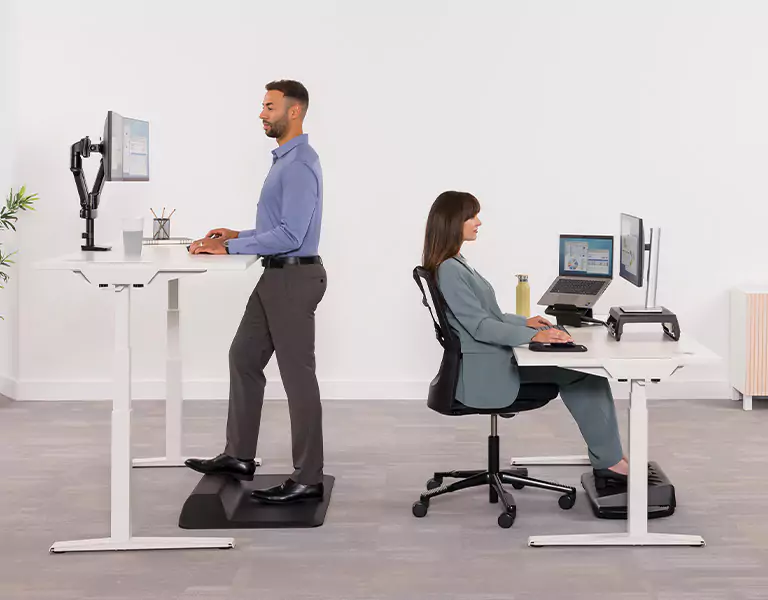
Understanding Ergonomics is essential for creating a workspace that promotes health and productivity. Ergonomics is the science of designing the workspace and its elements to fit the needs of the worker. Poor ergonomics can lead to various health issues such as repetitive strain injuries, back pain, and eye strain. To incorporate effective ergonomic practices, consider evaluating your workspace layout, ensuring that your chair, desk, and computer setup support your posture and reduce strain. Key adjustments include keeping your monitor at eye level, using chairs with lumbar support, and setting your keyboard and mouse at a comfortable height.
Moreover, ergonomic tools can significantly improve your work experience. Consider the following items to enhance your workspace:
- Adjustable chairs: Support your lower back and allow for proper posture.
- Standing desks: Provide the option to stand while working, which can reduce sitting time.
- Monitor stands: Help position your screen at eye level to avoid neck strain.
By implementing these ergonomic strategies, you not only create a functional workspace but also foster a healthier, more comfortable work environment that can lead to increased productivity and well-being.
Counter-Strike is a highly popular first-person shooter game that pits teams of terrorists against counter-terrorists in a range of competitive modes. The game has evolved significantly since its initial release, with the latest installment, Counter-Strike: Global Offensive, introducing new maps, weapons, and gameplay mechanics. For gamers looking to enhance their experience, checking out the Top 10 Desk Setup Trends can provide insight into creating the perfect gaming environment.
Top 10 Ergonomic Tips for Enhancing Comfort at Work
In today's fast-paced work environment, prioritizing comfort is essential for enhancing productivity and overall well-being. Here are the top 10 ergonomic tips to help you create a workspace that promotes comfort and supports your body:
- Choose the Right Chair: Opt for an adjustable chair that supports your lower back and allows your feet to rest flat on the ground.
- Monitor Positioning: Ensure your computer monitor is at eye level to avoid straining your neck. The top of the screen should be at or just below eye level.
- Keyboard and Mouse Placement: Position your keyboard and mouse close enough to maintain a relaxed arm position, reducing the strain on your wrists.
- Maintain Good Posture: Sit up straight with your shoulders relaxed and aligned with your hips; this posture can drastically reduce discomfort.
- Take Frequent Breaks: Set a timer to remind yourself to stand up and stretch every 30 minutes to prevent stiffness and fatigue.
Additionally, incorporating these ergonomic tips into your daily routine can lead to significant improvements in comfort:
- Optimize Lighting: Use natural light when possible, and consider adjustable lamps to reduce glare on your screen.
- Declutter Your Workspace: A tidy environment can lower stress levels and help you focus better.
- Utilize a Footrest: If your feet don’t rest flat on the ground, consider using a footrest to maintain comfort.
- Invest in Ergonomic Accessories: Consider keyboard trays, wrist rests, and standing desks to further improve your setup.
- Stay Hydrated: Drinking water regularly can enhance concentration and energy levels, promoting a more comfortable work experience.
Is Your Workspace Making You Uncomfortable? Signs You Need an Ergonomic Revamp
Working in an uncomfortable workspace can significantly impact your productivity and overall well-being. If you find yourself constantly adjusting your chair or feeling strained during your work hours, it may be time to evaluate your setup. Signs you need an ergonomic revamp may include frequent headaches, back pain, or wrist discomfort. These issues often arise from poor posture or inadequate support. Additionally, consider if you often feel fatigued or distracted while working; this can also indicate that your workspace isn't optimized for comfort.
To determine if your workspace needs an upgrade, look for these key ergonomic signs:
- Persistent Discomfort: If you experience physical pain that lingers after your workday, it’s a strong indicator.
- Suboptimal Equipment: Outdated or poorly designed chairs and desks can lead to various issues.
- Improper Monitor Height: If your screen is too high or low, it can cause neck strain.
- Cluttered Space: A disorganized workspace can lead to increased stress and decreased focus.