The Science of Lighting: How Different Types of Illumination Affect Mood
The Science of Lighting plays a crucial role in shaping our environment and influencing our mood. Different types of illumination can evoke various emotional responses and behaviors. For instance, natural light is often linked to increased productivity and a positive mood, while dim lighting can create a cozy and intimate atmosphere. Research suggests that warm lighting tends to make people feel relaxed and comfortable, which is why it's commonly used in homes and restaurants. On the other hand, cool lighting can enhance alertness and focus, making it ideal for workplaces or study areas.
Moreover, the characteristics of light, such as brightness, color temperature, and even the direction of the light source can further amplify these effects. Bright, white light is often associated with clarity and energy, whereas soft, diffused light can help to calm anxiety and encourage social interaction. Understanding the impact of various types of illumination allows us to create spaces that not only serve our practical needs but also enhance our overall well-being. By choosing the right kind of lighting, we can significantly influence our surroundings and positively affect our mood.
Counter-Strike is a highly popular tactical first-person shooter game that pits teams of terrorists against counter-terrorists in various mission scenarios. Players can customize their loadouts and strategize with their teammates to outsmart opponents. For gamers looking to enhance their gaming experience, there are many accessories available, including the Top 10 TikTok Phone Accessories that can complement your gaming setup.
Transform Your Space: Creative Ways to Use Light for a Cozy Atmosphere
When it comes to transforming your space, lighting plays a crucial role in setting the mood and creating a cozy atmosphere. One effective way to achieve this is by layering different types of light sources. Begin with ambient lighting to provide a soft, general glow in the room. Consider using overhead fixtures or wall sconces to illuminate the space evenly. Next, incorporate task lighting, such as table lamps or floor lamps, to create inviting nooks for reading or relaxation. Lastly, add in accent lighting using string lights or candles to highlight specific features and add warmth. By combining these elements, you can create a dynamic lighting scheme that invites comfort and enjoyment.
Another creative way to use light for a cozy atmosphere is to embrace natural light during the day. Maximize the sunlight entering your space by keeping windows unobstructed with sheer curtains or blinds that can be easily adjusted. To enhance the effect of natural light, strategically place mirrors to reflect and amplify the daylight, making the area feel more open and inviting. Additionally, consider using warm-toned bulbs in your lamps and fixtures to mimic the glow of daylight even when the sun sets. Overall, these thoughtful approaches can transform your space into a sanctuary of comfort that feels warm and welcoming at any time of day.
What Color Temperature Should You Choose for Each Room?
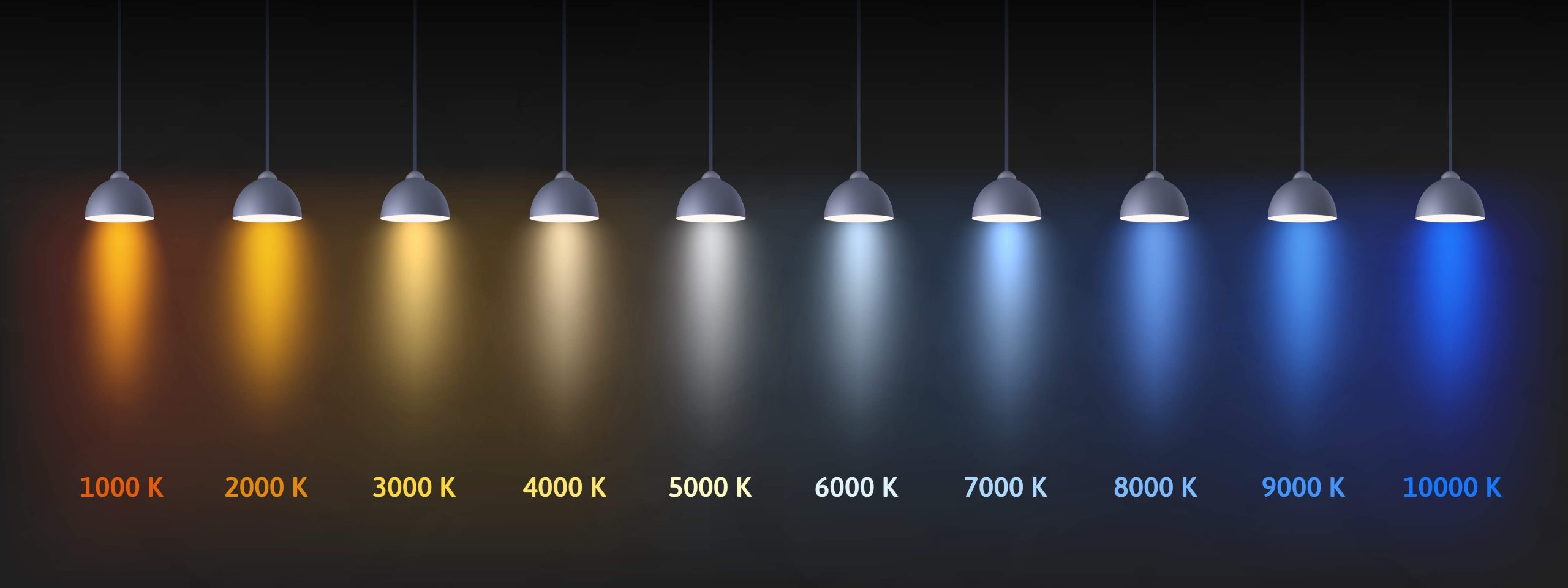
Choosing the right color temperature for each room in your home can significantly impact the vibe and functionality of the space. For living areas, such as the living room or family room, it's best to opt for a color temperature in the range of 2700K to 3000K. This warmer light creates a cozy and inviting atmosphere, perfect for relaxation and social gatherings. On the other hand, for spaces where you need to stay alert and focused, like the kitchen or home office, a cooler color temperature of around 4000K to 5000K can enhance visibility and energy levels.
In bedrooms, a softer glow with a color temperature of 3000K is ideal for winding down at the end of the day, promoting restful sleep. Meanwhile, in bathrooms, especially in areas where grooming takes place, you might want a color temperature closer to 3500K to 4100K, as this offers a balance between warmth and clarity, helping you see your true colors in the mirror. To summarize, consider the function of each room when choosing color temperature to create optimal atmospheres that cater to your daily activities.