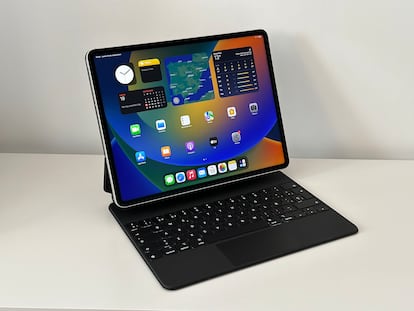
How Tablets Are Transforming Our Daily Lives
Tablets have become an essential part of our daily lives, transforming the way we communicate, work, and entertain ourselves. With their portability and user-friendly interfaces, tablets allow us to perform a variety of tasks on the go. Whether it's checking emails, browsing the internet, or participating in video calls, these devices have made connectivity seamless and efficient. Moreover, educational institutions are increasingly leveraging tablets as powerful learning tools, providing students with access to e-books, online classes, and interactive applications that enhance their learning experience.
In addition to education, tablets are revolutionizing the way we consume content. From streaming services to digital magazines, tablets offer an immersive experience for users. This shift is evident in how people prefer to read news or watch shows on their tablets rather than traditional sources. With apps designed specifically for tablets, users can create personalized playlists, follow their favorite authors, or even engage with live events. It's clear that as technology evolves, tablets will continue to play a pivotal role in shaping our daily routines and interactions.
Counter-Strike is a highly competitive first-person shooter game that pits teams of terrorists against counter-terrorists in various objective-based scenarios. Players can choose to play in different modes, including bomb defusal and hostage rescue, and their skills can greatly improve with practice. For comfortable gaming and streaming, check out the Top 10 iPad Stands for Couch that enhance the experience from your favorite couch setup.
The Rise of Tablets: What You Need to Know
The rise of tablets in recent years has transformed how we consume content, communicate, and work. Once considered simply larger smartphones, tablets have carved out their own niche, offering users the flexibility of both portability and productivity. With brands like Apple, Samsung, and Microsoft leading the charge, these devices come equipped with powerful processors, high-resolution displays, and intuitive interfaces. This evolution has led to a surge in tablet ownership, with studies showing that over 50% of U.S. households now own at least one tablet. Notably, their multitasking capabilities have made them a favorite among students and professionals alike.
As the tablet market continues to expand, it's essential to consider the various factors that contribute to their popularity. Users are increasingly attracted to features such as:
- Portability: Tablets are lightweight and easy to carry, making them perfect for on-the-go use.
- Versatility: They serve multiple purposes, from reading e-books to editing documents.
- App Ecosystem: A wide range of applications tailored for productivity, entertainment, and education enhances their functionality.
Understanding these advantages can help consumers make informed decisions when choosing the right tablet for their needs.
Are Tablets the Future of Computing?
As technology continues to evolve, the debate around whether tablets are the future of computing intensifies. With their lightweight design, portability, and touchscreen interface, tablets cater to a modern consumer's need for convenience and versatility. They have become increasingly powerful, equipped with advanced processors and capabilities that rival traditional laptops. Many users find they can perform 80-90% of their daily tasks—such as browsing the web, streaming media, and even light productivity work—using a tablet, which raises the question: do we still need traditional computers?
Moreover, the rise of mobile applications has transformed tablets into indispensable tools for both personal and professional use. As developers invest more resources into optimizing apps for touch interfaces, the gap between tablets and other computing devices rapidly narrows. Features like cloud integration enable seamless work environments and collaboration, suggesting that tablets might indeed hold a significant role in the future of computing. Nevertheless, it remains crucial to recognize that while tablets offer numerous advantages, they may not completely replace laptops or desktops for tasks requiring more power or specific software.