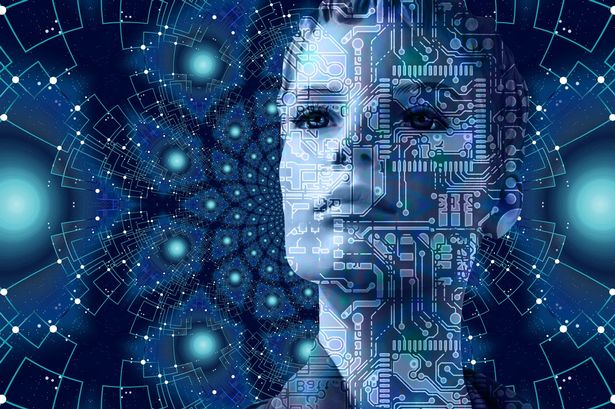
How Virtual Reality is Transforming Our Perception of Space and Time
Virtual Reality (VR) is revolutionizing the way we perceive space and time, reshaping our understanding of the physical world. By immersing users in lifelike environments, VR technology enables us to explore places that might otherwise be inaccessible—be it the depths of the ocean or the far reaches of outer space. This experience alters our perception of distance, making vast expanses feel more intimate and personally engaging. As we maneuver through these simulated environments, our brains adapt to a new understanding of spatial relationships, leading to innovative applications in fields such as architecture, education, and entertainment.
Moreover, VR challenges our traditional notions of time. In virtual environments, time can be manipulated, allowing users to experience multiple timelines or revisit historical events as if they were there. This ability to bend time adds a layer of depth to storytelling and learning experiences, making them more impactful and memorable. The integration of VR into our daily lives fosters a greater appreciation for the transient nature of both space and time, prompting reflections on how these dimensions intertwine with our existence. By engaging with VR, we not only escape our physical surroundings but also gain insights into the fluidity of reality itself.
Counter-Strike is a popular first-person shooter game that pits teams of terrorists against counter-terrorists in various objective-based scenarios. With strategic gameplay, teamwork, and quick reflexes, players must outplay their opponents to secure victory. If you're looking for gaming gear, check out the Top 10 Lightweight Slim iPad Cases to protect your devices while you play.
The Rise of Augmented Reality: Enhancing Our Everyday Experiences
In recent years, the rise of augmented reality (AR) has transformed the way we interact with our surroundings, integrating digital information into our physical world. From smartphone apps that overlay information on real-world images to advanced AR glasses that provide a hands-free experience, this technology has begun to seep into various aspects of our everyday lives. For instance, the use of AR in retail allows customers to visualize how products will look in their homes before making a purchase. This not only enhances the shopping experience but also reduces the likelihood of returns, highlighting the practical benefits of adopting augmented reality in consumer applications.
Moreover, the influence of augmented reality extends beyond shopping, making significant strides in fields such as education and healthcare. Students can engage with complex subjects by overlaying 3D models and interactive content onto their textbooks, fostering a more immersive learning environment. In healthcare, AR is revolutionizing surgical procedures by providing surgeons with real-time data and holographic images of the patient's anatomy, leading to improved accuracy and efficiency. As we continue to explore the capabilities of this innovative technology, it is clear that the enhancement of our everyday experiences through augmented reality will only continue to grow.
Are We Ready for the Metaverse? Exploring its Impact on Social Interaction
The concept of the Metaverse has captured the imagination of tech enthusiasts and social theorists alike, raising questions about its potential impact on social interaction. As virtual and augmented reality technologies advance, we find ourselves on the brink of an era where physical and digital worlds blend seamlessly. This shift not only offers new avenues for connection but also poses challenges regarding privacy, authenticity, and the essence of human relationships. Are we truly ready to embrace this new frontier, or will we struggle to adapt to the nuances of interaction in a virtual landscape?
Exploring the impact of the Metaverse on social interaction reveals both exciting opportunities and significant concerns. For instance, consider the benefits of enhanced social engagement through immersive experiences—individuals can meet in virtual spaces, share activities, and collaborate in previously unimaginable ways. However, one must also weigh the risks, such as the potential for increased isolation in the physical world, the blurring of reality and simulation, and issues related to digital identity and representation. As we venture into this uncharted territory, it is crucial to consider whether our social frameworks can adapt to maintain genuine connections amidst the complexities of the Metaverse.