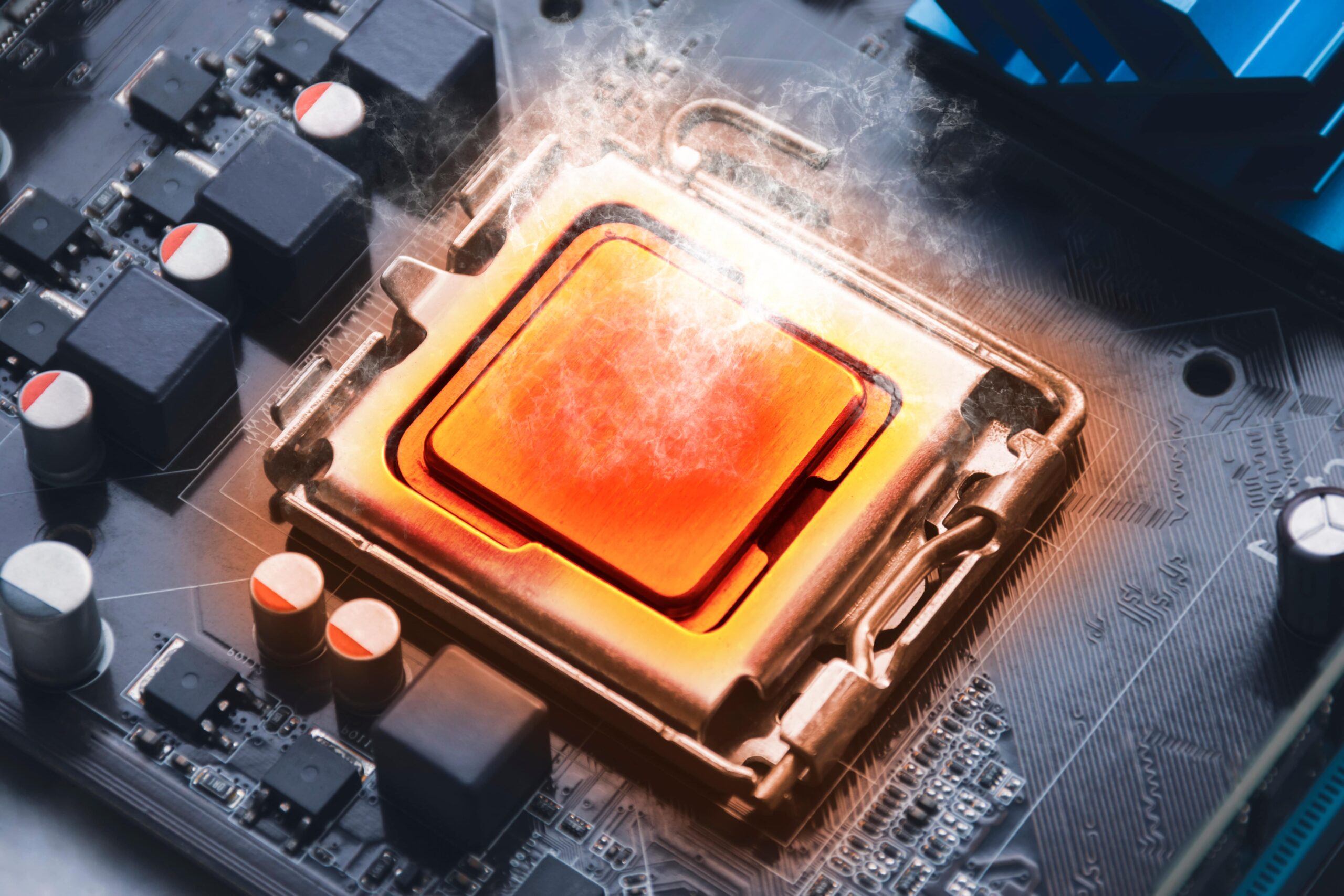
Are Your Devices Overheating? Discover the Warning Signs and Solutions
Do you ever notice your devices becoming excessively hot during regular use? Overheating can be a significant issue, affecting performance and potentially leading to hardware damage. Watch out for common warning signs: your device may feel unusually warm to the touch, experience sudden battery drain, or even exhibit unexpected shutdowns. If you see a warning message about high temperatures or performance throttling, it's time to take action.
Fortunately, there are several solutions you can implement to combat overheating. First, ensure that the vents on your device are not blocked by dust or debris; regular cleaning can help maintain airflow. Additionally, consider using cooling pads or adjusting your usage habits, such as avoiding intense tasks in hot environments. If the problem persists, it may be wise to consult a professional to check for underlying issues. Taking these steps can help prolong the lifespan of your devices and keep them running smoothly.
Counter-Strike is a popular first-person shooter video game series that has captivated gamers since its inception in 1999. Players can choose to play as terrorists or counter-terrorists in various game modes, including bomb defusal and hostage rescue. To enhance your gaming experience, it’s important to consider Top 10 Laptop Accessories to Prevent Overheating and maintain optimal performance during intense matches.
Tech Overheating: Common Causes and How to Prevent It
Tech overheating is a prevalent issue that can significantly impact the performance and longevity of devices. Common causes include poor ventilation, where gadgets are placed in cramped or enclosed spaces, preventing proper airflow. Additionally, excessive dust buildup can obstruct vents and fans, leading to overheating. Finally, running multiple resource-intensive applications at once can cause a device's CPU and GPU to work overtime, generating excessive heat.
To prevent tech overheating, it is essential to implement some simple yet effective strategies. First, ensure that your devices have adequate ventilation by keeping them in open spaces and away from direct sunlight. Regularly cleaning your gadgets to remove dust and debris is crucial as well. Lastly, consider managing the workload by closing unnecessary applications and utilizing performance settings to keep temperatures in check.
Why Your Tech Might Be Hotter Than Your Ex: The Science Behind Device Temperatures
When it comes to the science of device temperatures, it’s fascinating to consider why your tech might run hotter than your ex. Modern devices like smartphones, laptops, and gaming consoles are packed with highly efficient components that generate heat during operation. The exothermic reactions within the components, such as CPUs and GPUs, occur due to the electric currents flowing through them. As these parts work relentlessly to provide seamless performance, the heat dissipates into the surroundings. Factors such as intensive multitasking, high-performance gaming, or heavy applications can significantly amplify this heat generation, making your tech feel markedly warmer than expected.
Moreover, the environmental factors play a crucial role in determining device temperatures. For instance, using your laptop on a soft surface like a bed or couch can obstruct airflow, causing it to overheat. Similarly, ambient temperatures can impact performance; a hot environment often leads to heat accumulation in devices. Cooling systems, like fans and heat sinks, are essential for drawing heat away and maintaining optimal operating temperatures. As you experience the warmth of your beloved gadget, it’s worth remembering that while your tech might be generating a lot of heat, it’s doing so to deliver results, unlike some past relationships.